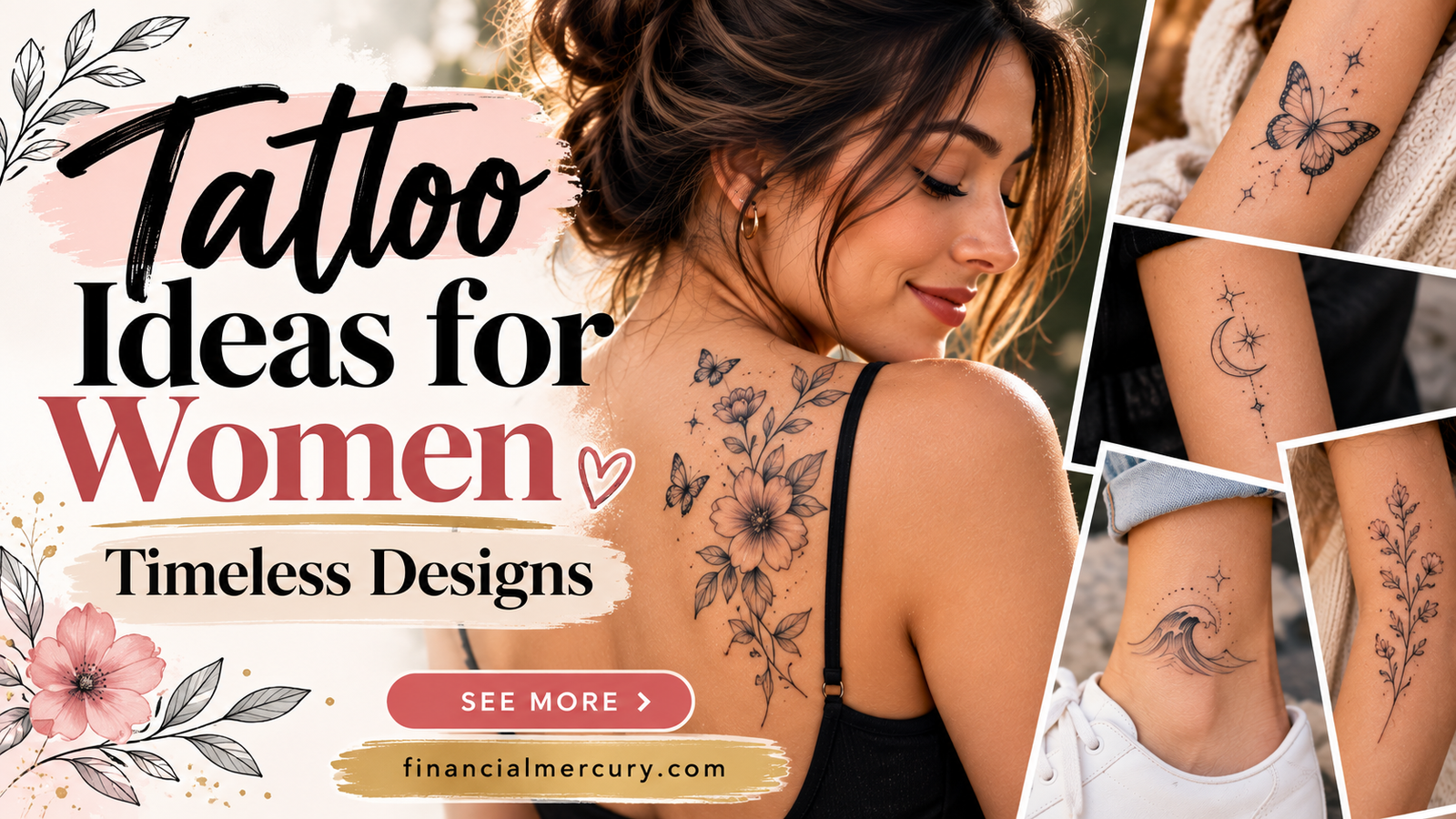
20 First Tattoo Ideas for Women: Beginner-Friendly Designs You’ll Still Love in 10 Years
Getting your first tattoo is a mix of pure excitement and “oh no, this is on my body forever” nerves. I’ve been there, and so has almost everyone with ink.
The hardest part usually isn’t the needle. It’s choosing a design you’ll still love in a decade, especially when Pinterest offers about ten thousand options and your friends all have opinions. That pressure is real because tattoos are permanent, and nobody wants to regret their first one.
That’s exactly why this guide exists. Below you’ll find 20 beginner-friendly tattoo ideas for women, plus honest advice on placement, what you can expect to pay, and how to prepare for the appointment itself.
Every idea here is small, simple, or easy to build on later, which makes them perfect for a first-timer. Grab a coffee, take a breath, and let’s find a design worth committing to.
How to Choose Your First Tattoo Without Regret
Before you fall for a design, spend a little time on the decision itself. Regret usually comes from speed: someone spots a design online, books an appointment that week, and lives with the result for decades. The checks below take an afternoon. Work through them and you’ll walk into the shop with something that fits your real life, not just your Pinterest board.
Think About Visibility First
Visibility matters more than most first-timers expect. A wrist tattoo shows up in every handshake, while a rib or hip piece stays private until you decide otherwise. Picture your design at a work meeting, a family dinner, and a job interview. If any of those thoughts make you flinch, move it somewhere clothing covers. Dress codes have relaxed across plenty of industries, though conservative fields like law and finance still side-eye visible ink. You can always reveal a hidden tattoo later. You can’t hide one you already regret.
Pick Meaning That Will Still Matter in 10 Years
Partner names top every tattoo-regret list for a reason. Feelings shift, and a design tied to one person can become a snapshot of someone you no longer are. Meaning holds up better when it comes from things that have already lasted: family, values you’ve carried for years, a place that shaped you. Ask one honest question before committing: will this still matter to me at 35? If the answer depends on a current crush or obsession, keep sketching.
Start Small on Purpose
There’s real wisdom in a smaller first piece. A one-inch design, like a fine-line star or a sprig of lavender, takes less time, costs less, and hurts far less, which makes it a gentle introduction to the process. Small tattoos also teach you how your skin holds ink and how you feel wearing it every day. If you love the result, the design can grow into a bigger piece later. If you don’t, you’ve learned the lesson in miniature.
Use the 30-Day Rule Before You Commit
One habit saves a lot of laser sessions: choose your design, then wait 30 days before booking anything. Excitement fades fast, and a month of ordinary mornings shows you whether the pull is real. While you wait, test it on your actual body.
A design that still excites you on day 30 has passed the most honest test available. Booking anything sooner is a gamble.
Any of these previews works well:
- Order a custom temporary tattoo of your exact design and wear it for a week.
- Use a photo placement app like InkHunter, which overlays the design on your skin through your phone’s camera.
- Trace the outline with a fine-tip marker or henna to check the size against your frame.
Wear your preview through workouts and work outfits. If you’re still smiling at it on day 30, book the appointment. If the novelty wore off, you just dodged an expensive fix.
20 First Tattoo Ideas for Women Who Are Starters
Here are 20 designs that work beautifully for a first tattoo, grouped by style so you can find your lane fast. Each one is small, proven, and kind to beginners.
Small and Simple Symbols That Age Well
Tiny symbols are the classic first tattoo for a reason. Think a heart, star, crescent moon, sun, infinity sign, or arrow. Each one reads clearly at an inch or smaller, and none of them tie you to a trend that will feel dated in five years.
Simple line work also heals better than dense, detailed designs. Fewer passes with the needle means less trauma to the skin, cleaner healing, and lines that stay crisp as the years pass. Bold, simple shapes fade far less noticeably than intricate ones, because there’s no fine detail to blur.
These symbols carry flexible meaning too. A crescent moon can mark a fresh start, an arrow can point toward growth, or they can just look pretty. That openness is a feature for a first tattoo, since it grows with you.
Placement options abound for tiny symbols:
- Inner wrist, visible but easy to cover with a watch or bracelet
- Ankle, subtle and flattering from every angle
- Collarbone, a slightly more delicate, feminine spot
A one-inch symbol usually takes under 30 minutes, which keeps the cost and the nerves low.
Nature and Floral Designs for a Soft, Feminine Look
Florals dominate first-tattoo wishlists, and it’s easy to see why. A single rose, wildflower cluster, or pair of lavender sprigs looks soft and feminine while still feeling timeless. Flowers have held their place in tattoo culture for over a century, so there’s little risk of the style going out of fashion.
Butterflies and small birds round out the nature theme. A butterfly suits anyone marking personal transformation, while a swallow or tiny sparrow works well as a tribute to freedom or a loved one. Leaves and climbing vines make elegant options too, especially when you want something flowing rather than symmetrical.
Fine-line florals are the current favorite, drawn with single thin needles for a delicate, almost pencil-sketch look. This style flatters curved areas of the body, so consider the shoulder blade, outer forearm, or the side of the thigh. A stem trailing along your arm or a bloom sitting on your collarbone follows your natural lines instead of fighting them.
One tip: keep the design to one or two blooms on your first go. Sparse, well-spaced florals age better than crowded bouquets.
Meaningful Words, Dates, and Script Tattoos
Words carry weight, which makes script tattoos a popular first pick. A single word like breathe, strength, or free captures a value without explaining it. Important dates, such as a child’s birthday or a milestone you survived, work the same way. Initials of family members or a short quote from a book that changed you are other strong choices.
A caution before you commit to text: font matters more than you think. Ultra-thin scripts and tiny lettering blur over time because the ink spreads slightly as your skin ages. Choose a clean font at least half an inch tall, and skip anything so ornate the letters melt together.
Best placements include the ribs, inner arm, and behind the ear. Rib script hurts more but hides completely; behind-the-ear suits a single short word; the inner bicep offers privacy with easy access for showing off.
Minimalist Lines and Abstract Shapes
Abstract designs let you wear meaning without spelling it out. A single continuous line drawing, where the whole image comes from one unbroken stroke, has become a signature of modern minimalism. Faces, hands, and figure outlines drawn this way look artistic and stay elegant at any size.
Geometric shapes offer another clean route. A small triangle, circle, or stack of lines looks sharp and pairs well with jewelry. Mountain or wave outlines suit travelers and anyone tied to a specific place or feeling. And if a friend or partner shares the moment, matching line designs, like two halves of one arc, keep the connection subtle.
The appeal here is longevity. Abstract pieces don’t reference a trend or a person, so they rarely spark regret. They simply look good, which is exactly what you want from a first tattoo.
Delicate Designs With a Hidden Spot
Some women want a first tattoo that’s theirs alone, something coworkers and relatives never see. Hidden placements make that easy, and small delicate designs suit them perfectly.
Behind the ear is a favorite. A tiny star, musical note, or semicolon tucks into that curved space and stays invisible unless your hair is up. The inner wrist works for a small word or symbol you can cover with a bracelet, while a ribcage piece, though more painful, offers total privacy.
Finger tattoos deserve a caveat. The skin there sheds constantly, so fine lines fade within a few years and often need touch-ups. If you love the look, choose a simple design and expect to maintain it.
Hidden spots make a great trial run. You get to live with ink, learn how your body heals, and decide privately whether you want more.
Best Placement and Pain Levels for a First Tattoo
Placement shapes everything: how much the tattoo hurts, how visible it is, and how well it ages. Before you pick a design, get honest about where it will live on your body.
Spots That Barely Hurt
Some areas come with extra padding, which means a much gentler experience. These spots have more muscle or fat and fewer nerve endings, so the needle feels more like light scratching than anything else.
- Outer thigh, roomy, private, and consistently rated among the least painful spots
- Upper outer arm, fleshy and easy to cover with a sleeve
- Calf, padded muscle with quick, easy healing for most people
- Forearm, mild discomfort and great visibility if you want to show it off
If you’re nervous about pain, starting on one of these gives you a fair test of the whole process without white-knuckling it.
Spots That Sting More
Thin skin over bone is where tattoos get spicy. The ribs, spine, feet, ankles, and sternum sit close to bone with little cushioning, so most people rate them a solid 7 or higher on a 10-point scale. Ribs add breathing movement to the mix, which makes longer sessions feel even more intense. That doesn’t mean avoid them entirely, just know what you’re signing up for. Save the sensitive spots for later, once you know how your body handles the needle.
A spot you can show at brunch and hide at work gives you the most freedom while you’re still deciding how you feel about visible ink.
Think about a design on the upper arm, shoulder, or thigh. A short sleeve covers it at the office, and a tank top reveals it on your own terms.
How Placement Affects Aging
Where you put a tattoo changes how it looks in ten years. High-friction areas fade fastest: fingers, feet, and anywhere straps or waistbands rub constantly shed ink and need touch-ups. Spots that get regular sun, like forearms and shoulders, also fade quicker unless you wear SPF daily. Meanwhile, padded, low-friction areas such as the outer thigh and upper arm hold lines crisply for decades.
Fine-line designs on flat, protected skin age beautifully. The same design on a hand or foot can blur within a few years, so match your delicate first tattoo to a spot that will treat it kindly.
Cost, Aftercare, and Safety: What Newbies Need to Know
The design is only half the equation. Before your appointment, you need a realistic budget, a vetted artist, and a plan for the weeks of healing that follow. Skipping any of these is how first tattoos turn into regrets or, worse, infections. Here’s what to expect on all three fronts.
How Much a Small Tattoo Really Costs
Most shops charge a minimum of $50 to $100 for anything small, even if the tattoo takes ten minutes. A small custom design, roughly one to three inches, usually lands between $100 and $250 depending on your city and the artist’s experience. In New York or Los Angeles, expect the higher end; smaller towns often run cheaper.
Artists set prices based on time, skill, and demand, so a piece quoted at $200 isn’t a ripoff if the artist is good. What you’re paying for is clean lines that age well.
The one rule to hold onto: never pick an artist on price alone. A bargain tattoo from an inexperienced shop can cost ten times more to remove or cover up later. Budget for the artist you actually want, and if that means saving for a few extra months, save. Your skin isn’t the place to hunt for a deal.
Also ask whether the quoted price includes a touch-up. Some studios include one free touch-up within the first year; others charge separately.
How to Pick a Reputable Tattoo Artist or Studio
A licensed artist with a clean studio matters more than any design decision. Start with the paperwork: legitimate studios display their license and current health inspection certificate where clients can see them. If you can’t spot one, ask. A good shop will answer without hesitation, and needles should always come in sealed, single-use packaging opened in front of you.
Next, study portfolios. Every artist posts their work on Instagram or the shop’s website, so spend an evening scrolling. Look specifically for the style you want, whether that’s fine-line florals or script. An artist who excels at bold traditional pieces may not be the best match for a delicate minimalist design.
Reviews round out the picture. Read recent Google and Yelp reviews, paying attention to comments about cleanliness and how the studio handled problems.
Finally, trust your gut at the consultation. Most artists offer a free chat before booking. If the studio feels rushed, unsanitary, or dismissive of your questions, walk away. The right artist will listen, adjust the design to suit your placement, and make you feel comfortable asking anything.
Aftercare Basics for a Smooth Healing Process
Healing takes two to four weeks, and your aftercare routine does most of the work. Follow your artist’s specific instructions, since they know how their work heals, but the basics look like this:
- Wash the tattoo gently with fragrance-free soap and lukewarm water after removing the wrap.
- Pat dry with a clean paper towel, then apply a thin layer of fragrance-free moisturizer two or three times a day.
- Skip swimming pools, baths, and direct sun for at least two weeks. Short showers are fine.
- Don’t pick or scratch as it peels; flaking is normal, picking isn’t.
Normal healing looks like mild redness, light scabbing, and itching. Warning signs are different: spreading redness, pus, hot skin, or fever all point to infection and deserve a call to your artist or doctor.
Most studios offer touch-ups within a set window, often 30 to 90 days, so book yours if any lines faded during healing. Take care of it properly and your tattoo will look sharp for decades.
Common First-Tattoo Mistakes to Avoid
Most tattoo regrets trace back to a handful of avoidable errors. The good news: every one of them happens before or shortly after the appointment, which means you can dodge them all with a little planning. Here are the six mistakes first-timers make most often.
- Choosing a design impulsively. Falling for a tattoo the same week you book it is how regret happens. Ink bought on excitement fades from your heart faster than it fades on your skin. Use the 30-day rule from earlier in this guide and let the design prove itself before you commit.
- Copying someone else’s tattoo exactly. That celebrity’s fine line piece or your best friend’s wrist script carries their story, not yours. Replicating it word for word leaves you wearing a memory that was never yours to begin with. It’s fine to bring a design as inspiration; a good artist will rework it into something personal.
- Going too big too fast. A full forearm sleeve as a first tattoo is like running a marathon without training. Large pieces cost more, hurt more, and lock you into a style before you know how your skin and lifestyle handle ink. Start small and build later if you fall in love with the process.
- Drinking alcohol before the appointment. Reputable studios will turn you away or refuse to tattoo you if you show up buzzed, and for good reason. Alcohol thins your blood, which causes excess bleeding, muddies the ink, and slows healing. Save the celebration drink for after the session.
- Picking at scabs and peeling skin. The itching stage of healing is maddening, but scratching or picking pulls ink out and leaves patchy spots or scarring. Let the flakes fall on their own schedule, usually within two weeks, and keep the area moisturized instead.
- Price shopping over quality. Hunting for the cheapest shop in town is the most expensive mistake on this list. A $60 tattoo from an unlicensed artist can cost thousands to remove or cover. Pay once for a skilled, licensed professional instead of paying forever for a bargain.
Almost every bad first tattoo comes down to speed: rushing the choice, rushing the artist, or rushing the healing. Slow down at each step and the odds stack heavily in your favor.
None of these mistakes require bad luck to trigger, and none are hard to avoid. Wait the month, pick a licensed artist you trust, keep your first piece small, show up sober, and leave the scabs alone. Do those five things and your first tattoo has every chance of becoming the one you love most.
Conclusion
A small, meaningful first tattoo is one of the best entry points into body art. It costs less, heals faster, and gives you a real feel for the process without a huge commitment. If you love it, you can build on it later. If you don’t, you’ve learned the lesson in miniature.
The top takeaway is simple: start small, pick a spot you genuinely love, and choose a licensed artist whose work you’ve seen up close. Add the 30-day rule on top and regret becomes very unlikely.
Your next step is easy. Start a Pinterest board and save every design that catches your eye, then book a consultation with a local artist to talk placement and pricing. Consultations are usually free, and there’s zero pressure to commit on the spot. Your first tattoo should be exciting, and a little planning is what keeps it that way.
Save pin for later


- 20 Small Shoulder Tattoo Ideas for High School Girls (Hidden, Cute, and Meaningful) - September 24, 2026
- 30 Wrist Tattoo Ideas for Men That Stand Out (Placement, Pain, and Price Included) - September 24, 2026
- 20 Pastel Tattoo Ideas for Men That Look Sharp, Plus Placement and Care Tips - September 24, 2026
Leave a Reply