18 Tattoo Ideas for Passed Loved Ones That Feel Personal
Choosing a memorial tattoo can be an emotional way to carry your passed loved one’s memory with you. The best design doesn’t need to be large or highly detailed; it should reflect the person, your relationship, or a memory that still feels meaningful.
These 18 tattoo ideas for passed loved ones include personal tributes such as handwriting, dates, portraits, coordinates, and soundwaves, along with symbols like flowers, butterflies, cardinals, wings, and meaningful nature designs. You’ll also find practical tips for personalizing your choice, selecting a suitable placement, and caring for a fresh tattoo safely, including when to seek medical advice.
Start with the ideas that connect most closely to the life and memories you want to honor.
18 Tattoo Ideas for Passed Loved Ones That Feel Personal
Memorial tattoos can combine visible symbols, private references, meaningful words, and personal images. Use one idea on its own, or pair two simple elements to create a tribute that feels connected to your loved one.
Portraits, names, dates, and handwriting
A realistic portrait can capture familiar features, while their name keeps the tribute direct and easy to understand. Portrait work depends on a clear, high-resolution reference image with good lighting. Ask your tattoo artist whether the photo has enough detail before committing.
Birth and death dates can appear as standard numbers, Roman numerals, or a format tied to your family history. Choose the style because it has meaning, not simply to fill empty space. For example, you might use Roman numerals from a memorial card or write both dates beneath a small portrait.
Their handwriting or signature can feel especially intimate. Use an original card, letter, recipe, or handwritten note whenever possible. A short phrase from a recipe card may carry more emotional weight than a long quote copied from somewhere else.
Words, initials, soundwaves, and simple memorial marks
Initials offer a small, discreet tribute that works well on the wrist, ribs, ankle, or collarbone. A short quote or song lyric can also preserve a phrase you shared, but keep the wording brief so it remains readable over time.
A soundwave or heartbeat design can come from a saved voicemail, recording, or medical monitor image. Pairing a heart with an infinity symbol suggests enduring love, especially when customized with their initials or favorite color.
A semicolon may honor mental health awareness or someone lost to suicide. Because its meaning differs among people and families, use it only when it fits your story. A tiny semicolon beside their initials can keep the design personal without explaining everything publicly.
Faith and protective symbols
Angel wings can suggest protection, remembrance, or the feeling that someone still watches over you. A cross or another faith-based symbol may honor the person’s beliefs, culture, or spiritual tradition.
Choose symbols you understand and can connect to their life. A small halo, prayer beads, scripture reference, or star can add meaning when it belongs naturally in the tribute. Avoid adding religious details only because they look decorative.
Birds, butterflies, and symbols of continued presence
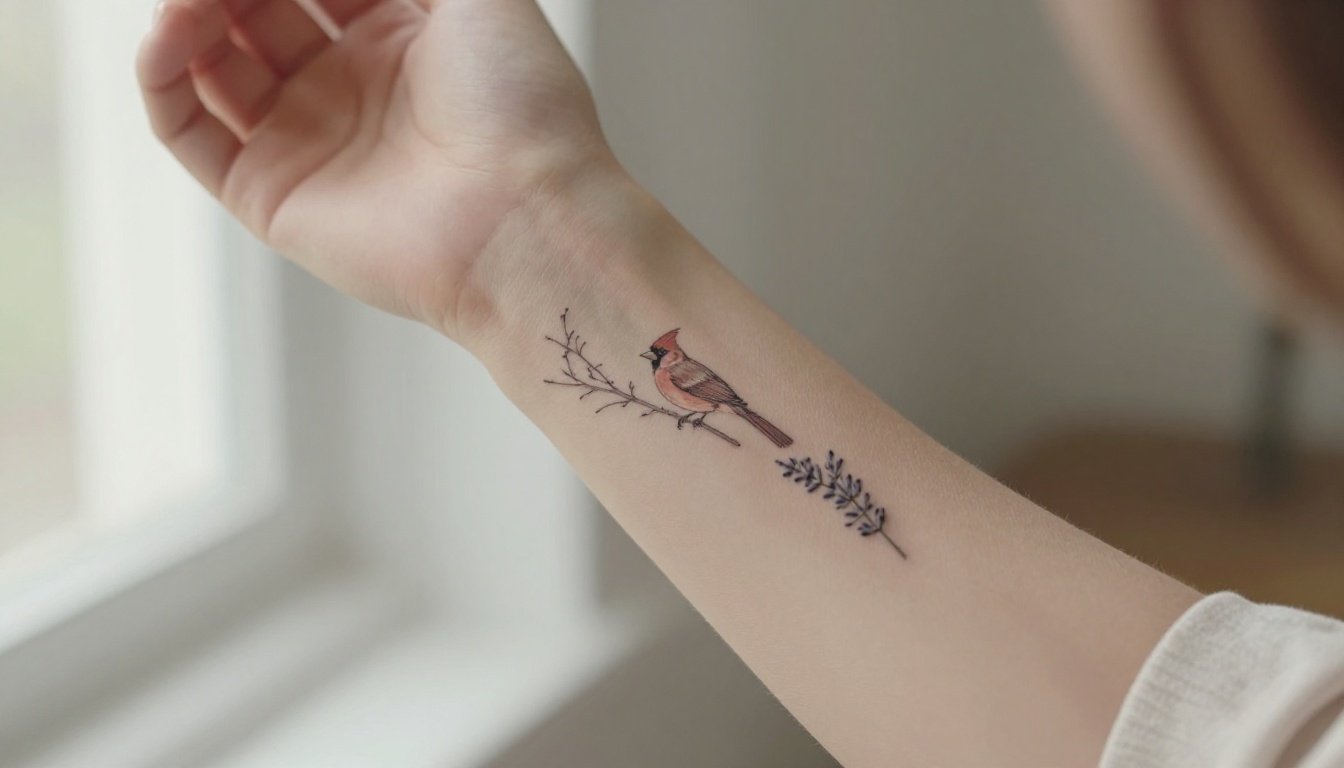
A cardinal often carries family associations with remembrance and presence. Butterflies and moths may suggest transformation, while birds in flight can express freedom or a loved one’s continuing influence.
Those meanings vary across families and cultures, so your own connection matters most. Pair a bird or butterfly with their favorite color, a flower, a date, or one short word instead of relying on a generic design.
Anchors, guides, flowers, roots, and meaningful places
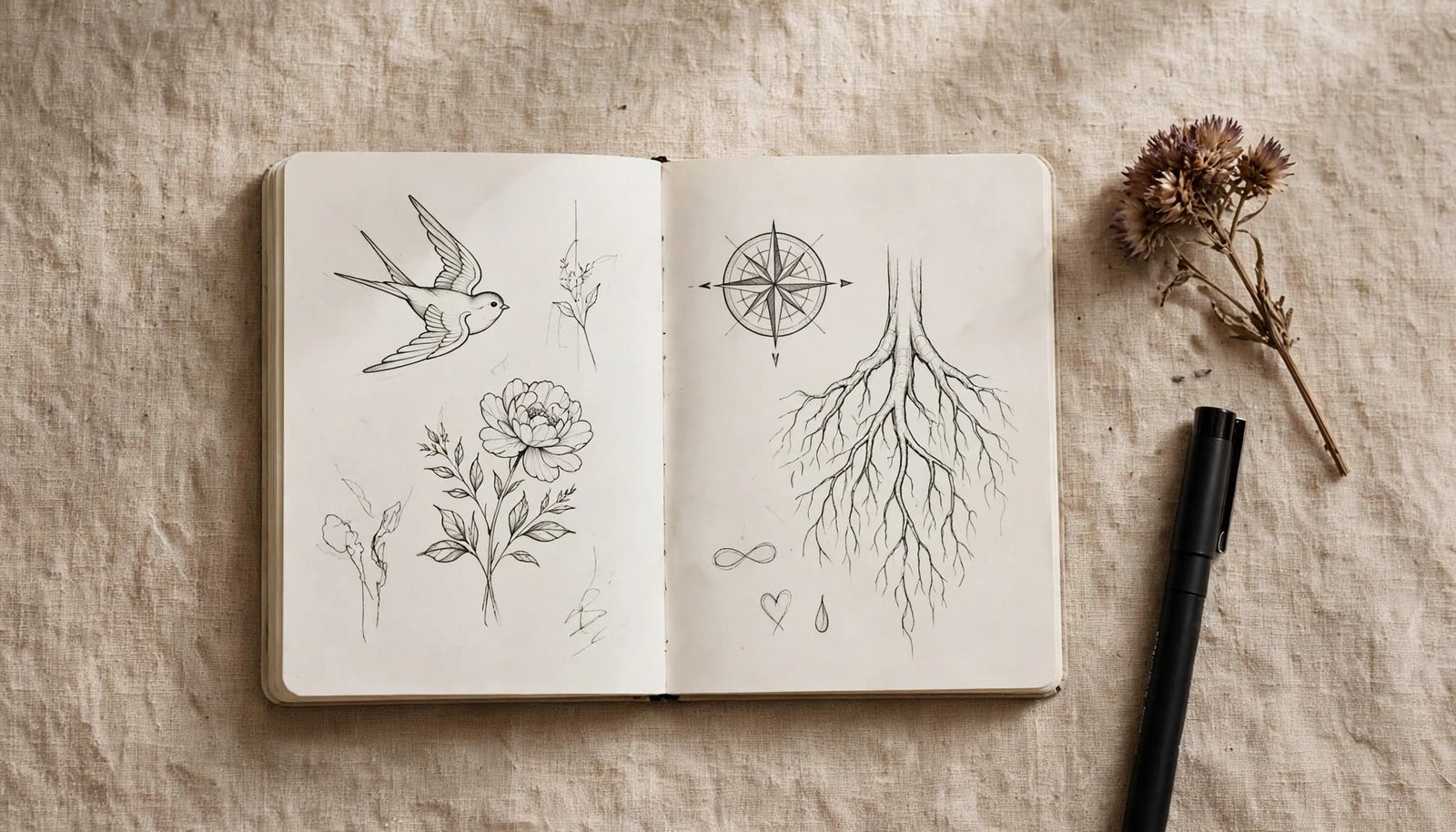
An anchor can express stability, while a compass or lighthouse can symbolize guidance through difficult years. Favorite flowers also create personal memorials, including forget-me-nots, roses, lilies, chrysanthemums, lavender, and birth flowers.
A tree with visible roots can honor family history and lasting connection. Meaningful coordinates may point to a childhood home, favorite vacation spot, hospital, place of ashes, or another location tied to your relationship. These details turn a familiar symbol into a tribute only your family fully understands.
How to Personalize a Memorial Tattoo So It Tells Their Story
Personalization turns a familiar memorial image into a tribute to one specific person. A cardinal, flower, or set of wings may look meaningful, but one personal detail can make the design unmistakably theirs.
Use details only your family will recognize
Ask yourself, “What detail brings them to mind immediately?” It might be their favorite fishing lure, a woodworking tool, a trumpet, an old pickup truck, or the cinnamon they always added to a family recipe. You could include a beloved pet, a sports number, a gardening symbol, or a private family phrase.
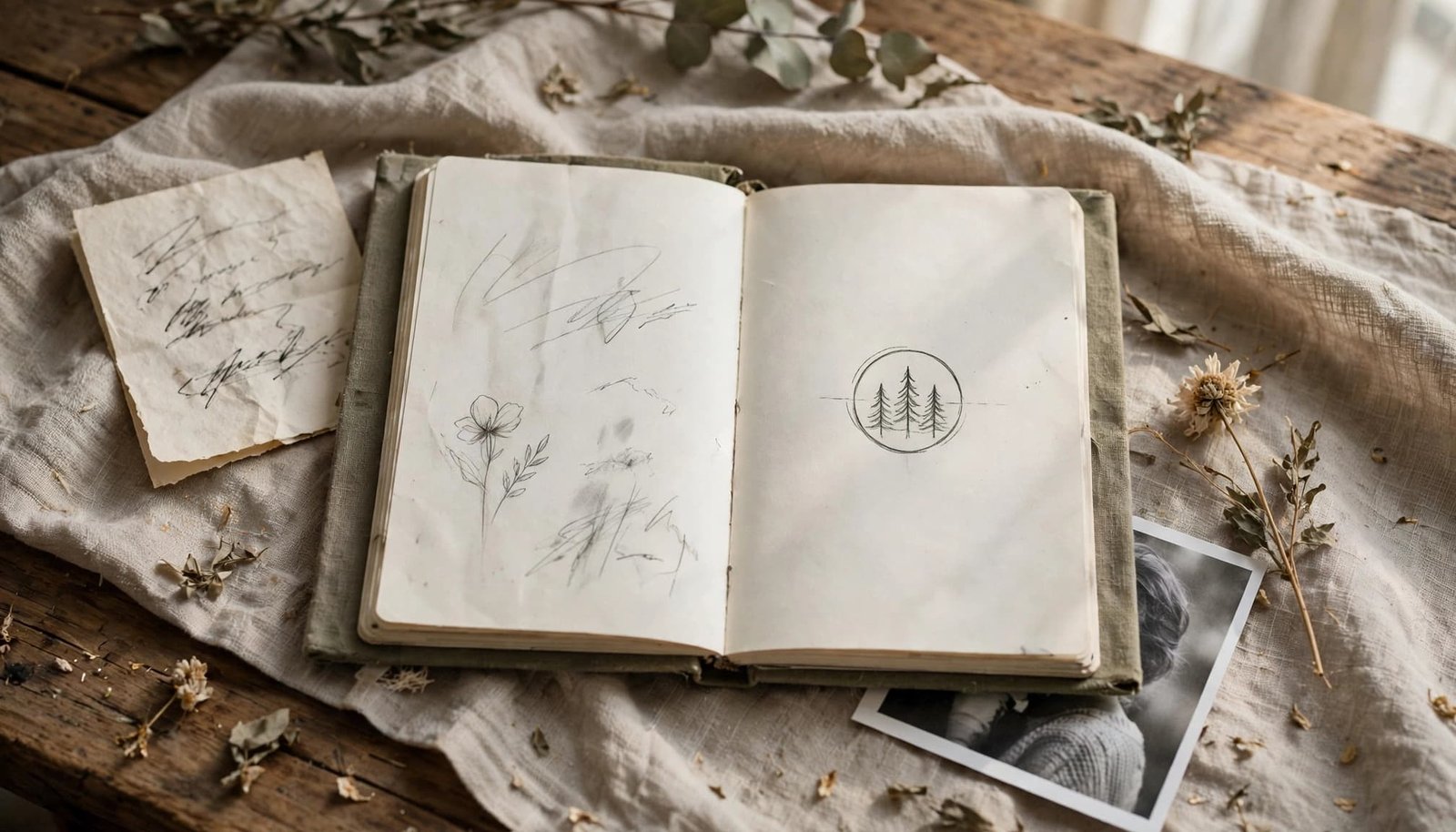
Small references often carry more meaning than large, familiar symbols. For example, a tiny fishing hook beside a birth date may say more about your grandfather than a large generic portrait. Your artist can simplify the object into clean lines so it remains recognizable without becoming crowded.
Before your appointment, gather photos, handwritten notes, recipes, keepsakes, or other references that show the detail accurately. Even a small design benefits from a clear source.
Choose words that stay readable and sincere
Text can make a memorial tattoo personal, but shorter wording usually ages better. Consider a name, initials, signature, date, or one brief phrase instead of a full paragraph. A line from a song or quote can work well when it comes from something you genuinely shared.
Proof every detail before the needle touches your skin. Check:
- The spelling of names and places.
- Punctuation, capitalization, and accent marks.
- Birth, anniversary, and passing dates.
- The exact wording of a lyric, quote, or family phrase.
- The source image used for handwriting or a signature.
Ask your artist to print or stencil the design at its intended size. This gives you a chance to inspect small letters and confirm that the layout feels natural.
Balance public meaning with private grief
Some symbols are easy for others to understand. Cardinals may suggest remembrance, while angel wings can suggest protection or faith. A private design may look like an ordinary object to strangers, yet your family knows exactly why it matters.
Choose the level of visibility that feels comfortable. Your memorial tattoo can be subtle, colorful, realistic, abstract, or placed somewhere only you can see. Trends and other people’s expectations don’t need to guide the decision. The right design is the one that fits your relationship, whether it communicates the story openly or keeps that meaning between you and the person you lost.
Choosing the Right Size and Placement for a Memorial Tattoo
The best memorial tattoo placement balances meaning, comfort, visibility, and long-term readability. Your artist should match the design to the body area, how much the skin moves, and the amount of detail the tattoo needs.
Small placements for names, dates, and symbols
Wrists, forearms, collarbones, ribs, ankles, upper arms, and behind the ear can suit initials, dates, handwriting, semicolons, hearts, flowers, or small birds. A wrist or forearm keeps the tribute visible each day, while the ribs, upper arm, ankle, and area behind the ear offer more privacy.
Placement also affects pain. Areas with thinner skin, less padding, or more bone, such as the ribs, collarbone, ankle, and behind the ear, may feel more sensitive. An experienced artist can help you choose a location that fits your comfort level without sacrificing the design.
Tiny lettering and delicate lines may blur, spread, or become difficult to read over time. Sun exposure can also fade tattoo ink, especially on frequently exposed areas such as the arms and hands. After the tattoo heals, protect it with broad-spectrum, water-resistant SPF 30 or higher, as recommended by the American Academy of Dermatology’s tattoo care guidance.
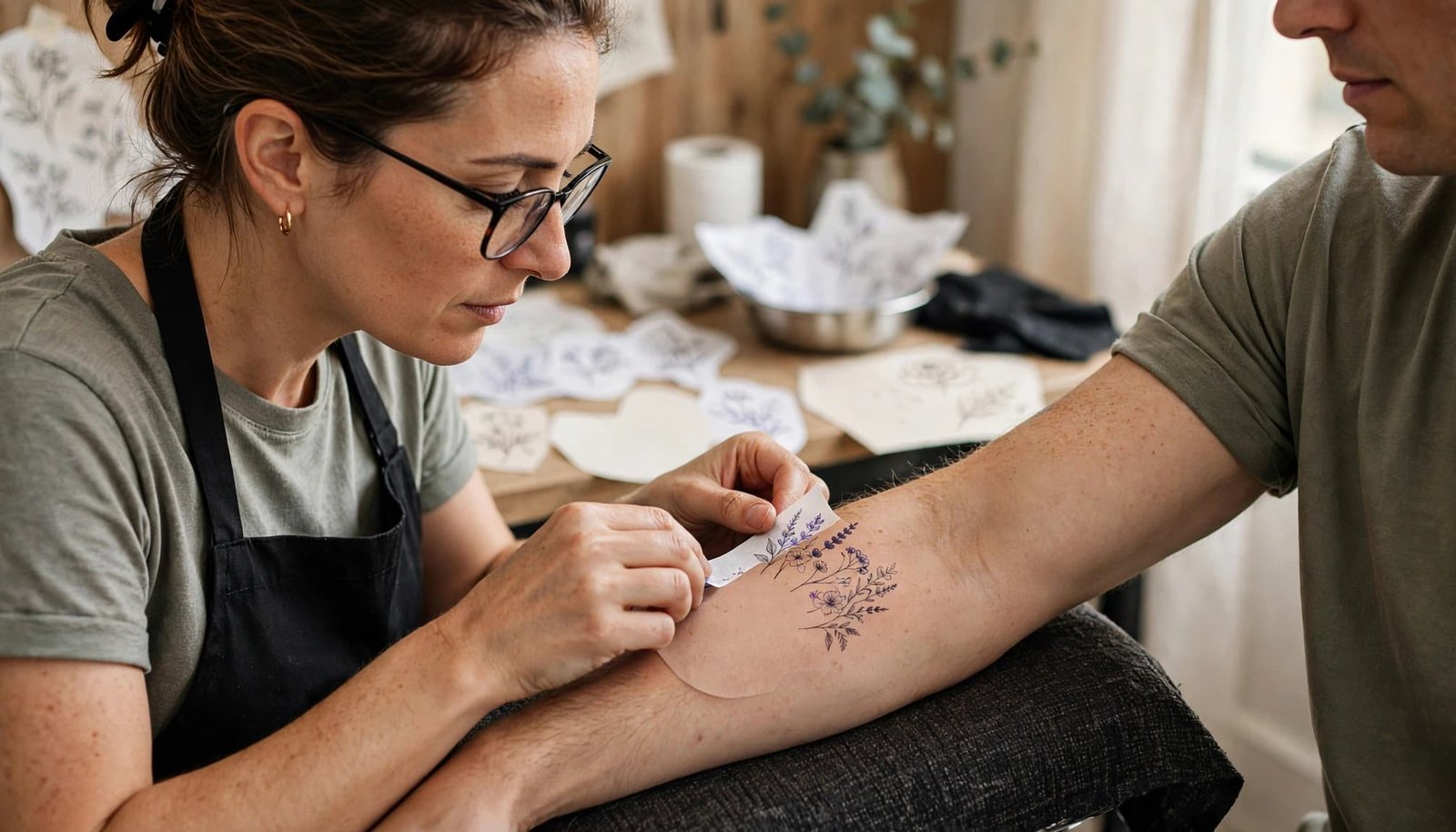
If the lettering looks cramped on a stencil, ask your artist to simplify or enlarge it. A slightly larger name or date often stays clearer than an ultra-tiny design.
Larger areas for portraits and detailed scenes
Portraits need enough room for facial features, shading, and clean outlines. The same applies to landscapes, trees with visible roots, wings, and detailed memorial scenes. When these designs are squeezed into a small space, the lines can merge and important details may disappear.
Upper arms, shoulders, chest, back, thighs, and calves often give artists more room to build a balanced composition. Broad, relatively stable areas may also help the design age more gracefully as your body changes.
Your artist’s design plan should guide the final size. A portrait may need more space than you first expect, while a simple tree or pair of wings might work at a medium scale. Ask to see the design as a stencil on your body before approving it.
Think about visibility, privacy, and future changes
Decide whether you want to see the tattoo every day, keep it private, or cover it with clothing. Work requirements, family preferences, sun exposure, skin stretching, and changes in weight can all affect the choice.
Leave room if you may add a flower, date, bird, or another related memorial element later. Discuss the placement in person with a professional artist, especially if pain, movement, or privacy concerns affect your decision.
How to Plan a Memorial Tattoo Safely and Respectfully
A memorial tattoo deserves time, care, and a tattoo artist who understands both the design and its emotional weight. Grief can make a decision feel urgent, but you don’t need to book the first available appointment. Waiting until the design feels right is a responsible choice, not a sign that your tribute matters less.
Check the artist’s skill before booking
Choose a licensed artist where local rules require licensing, or select a reputable professional with strong sanitation practices and experience in your chosen style. Portraits, fine-line handwriting, realism, and small text all require different skills. An artist who creates beautiful bold traditional tattoos may not be the right choice for a delicate signature or realistic face.
Review the artist’s healed work, not only fresh tattoos posted immediately after an appointment. Healed examples show whether fine lines remain clear, shading still looks balanced, and small lettering stays readable. Ask how the artist handles personal reference images, including family photographs, handwritten notes, and recordings used for soundwave designs.
During the consultation, bring clear reference materials and explain what each detail means. Ask about the proposed size, placement, stencil, estimated time, total cost, deposit, and any changes that may affect the final quote. Custom work takes planning, and a professional artist should set realistic expectations rather than promise an exact result from a low-quality photograph.

Before the session begins, inspect the stencil on your body and check every letter, date, facial feature, and placement detail. You have the right to ask questions, request changes, or postpone the appointment. Confirm that the studio follows local health rules and ask whether the artist uses fresh gloves, single-use needles, proper sharps disposal, and cleaned or sterilized equipment. The FDA’s tattoo safety guidance also recommends thinking carefully about tattoo risks before getting inked.
Follow simple aftercare steps
Follow your artist’s written instructions because bandages and healing products can vary. In general, wash your hands before touching the tattoo, then gently clean it with lukewarm water and mild, fragrance-free soap. Pat the area dry with a clean towel and apply only the thin layer of product your artist recommends.
Surface healing often takes about two to four weeks, while deeper skin healing can take longer. During that period, don’t pick or scratch flakes and scabs. Avoid swimming, hot tubs, baths, and other soaking until the skin heals. Limit sun exposure, keep tight clothing from rubbing the area, and apply sunscreen after the tattoo has fully healed. The American Academy of Dermatology’s tattoo care guidance explains which changes can occur during normal healing.
Know when to seek medical advice
Some redness, tenderness, itching, flaking, or minor clear drainage can occur early on. Contact a health professional if pain worsens, swelling becomes unusual, redness spreads, the area feels excessively tender or hot, significant drainage or pus appears, or you notice another change that concerns you.
Keep following the artist’s care instructions, but don’t ignore symptoms that seem abnormal. Bandages, products, and healing needs differ, so your artist can clarify routine care while a medical professional should assess possible infection or a serious skin reaction.
How to Choose the Memorial Tattoo That Feels Right
Choosing among meaningful tattoo ideas can feel harder when every option carries emotion. A simple decision process can help you move from grief and memories to a design that feels personal, comfortable, and worth keeping.
Start with three questions
Ask yourself these questions before searching for more inspiration:
- What memory comes to mind first? Focus on the detail that immediately reminds you of your loved one. It could be their handwriting, a favorite flower, a fishing spot, a song, or a small object from their daily life.
- Do I want words or an image? Names, dates, signatures, and short phrases can preserve something direct. Images offer more privacy and may include symbols such as birds, roots, flowers, or a meaningful place.
- Should the tattoo be public or private? A forearm design stays visible throughout the day, while the ribs, upper arm, chest, or back can keep the tribute more personal. Your comfort matters more than how easily others understand it.
Write down your answers, then sketch several versions. Try different sizes, placements, lettering styles, and combinations of symbols. You don’t need artistic skill. Rough sketches can help you notice which details belong and which ones only make the design crowded.
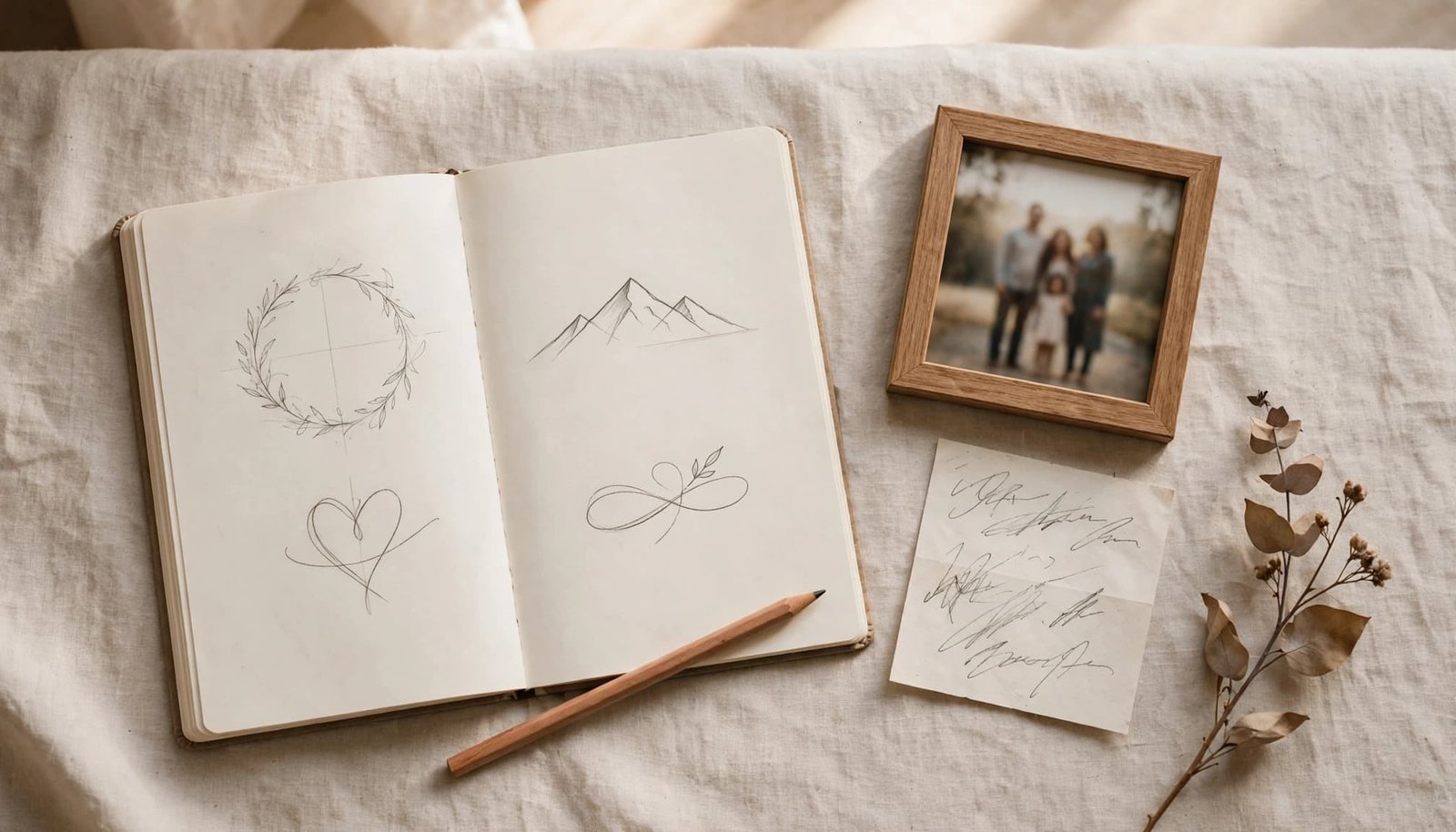
Test the idea before booking
Show your sketches only to trusted people who understand your relationship with the person you lost. Too many opinions can pull the design away from your own memory. Check every name, word, accent mark, and date before sending the concept to an artist.
Then live with the idea for a little while. Place a temporary version on your skin, save the design as your phone wallpaper, or keep it where you will see it daily. If it still feels connected after the first emotional rush fades, it deserves further consideration.
Your artist can simplify the concept so it stays clear, balanced, and durable. Fine details may need more space, while long text may need editing. Before the appointment, review the American Academy of Dermatology’s tattoo guidance and discuss size, placement, and skin concerns with a qualified professional.
The strongest memorial tattoo isn’t always the most popular design online. It’s the one that still brings your loved one to mind when trends, opinions, and new inspiration have moved on.
Conclusion
A memorial tattoo can keep a loved one’s memory close in a way that feels personal and lasting. Whether you choose their name, an image, a meaningful symbol, a special place, or a private detail only your family understands, the design should connect to the relationship you shared.
There is no single correct way to honor someone who has died. Meaning matters more than size or trend, so choose a tattoo that feels honest rather than one that simply looks popular. Take your time, review the design carefully, and work with a skilled artist who can help preserve the details that matter most.
Your tribute doesn’t need to explain everything to everyone. It only needs to carry a memory that still feels true to you.
Save the pin for later


- 16 Cute Tattoo Ideas for Women on the Stomach - September 19, 2026
- 20 Beautiful Tattoo Ideas for a Daughter That Feel Personal - September 19, 2026
- 18 Tattoo Ideas for Passed Loved Ones That Feel Personal - September 18, 2026
Leave a Reply