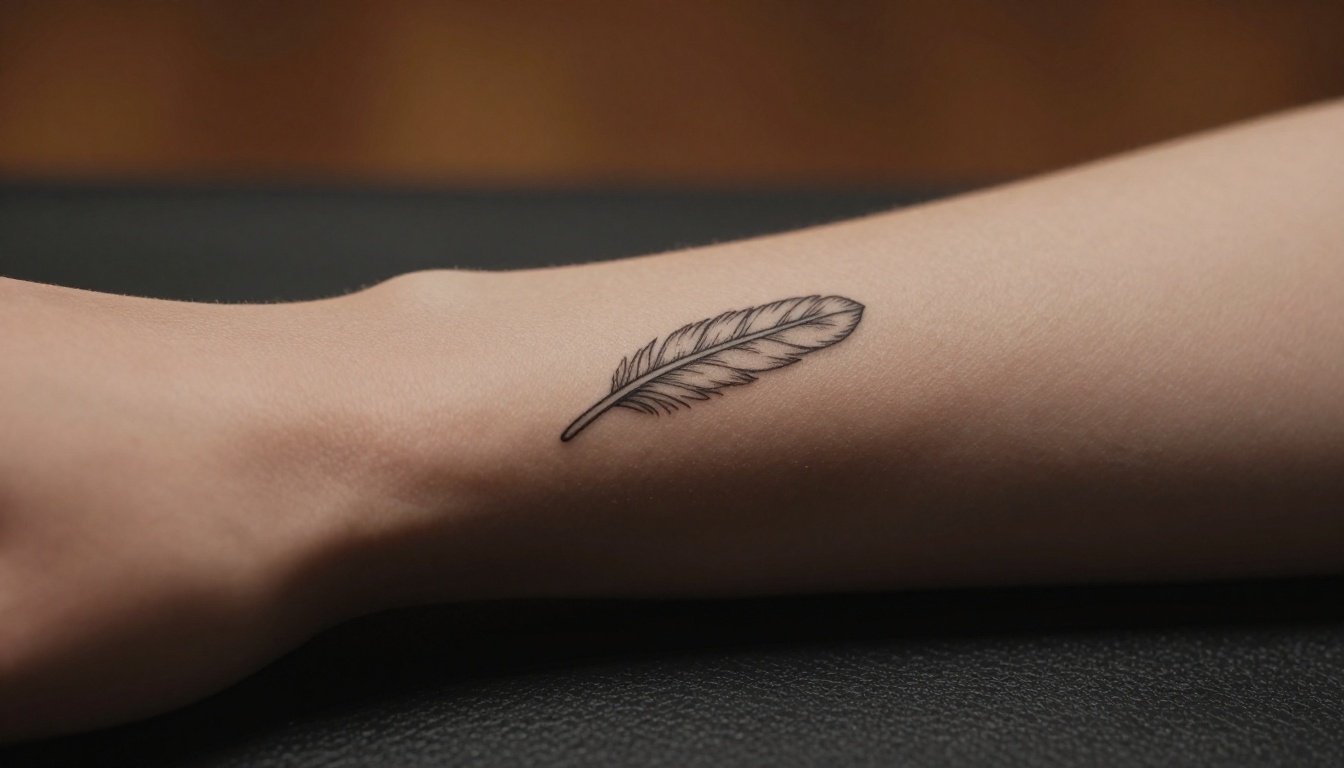
25 Minimalist Tattoo Ideas for a Subtle, Personal Look
Minimalist tattoos turn a small mark into a personal keepsake. A fine line, tiny symbol, or simple shape can hold a memory, relationship, belief, or piece of your identity while staying easy to keep private. The best subtle tattoo feels delicate without feeling plain, and its impact depends on more than the design alone.
In this collection of 25 minimalist tattoo ideas, you’ll find thoughtful options for different personalities, meanings, and styles. However, choosing the right concept also means considering symbolism, line weight, placement, and how the tattoo may look as it ages. A design that feels perfect on paper might need a small adjustment to suit your skin, lifestyle, or preferred level of visibility.
You’ll also find practical guidance for choosing a meaningful design, selecting a placement that fits your routine, preparing for your appointment, and protecting your tattoo while it heals. Start with these ideas, then narrow your favorites into a tattoo that feels personal, tasteful, and comfortable to carry for years.
Key Takeaways
- Minimalist tattoos use fine lines, simple shapes, and small symbols to express personal memories without overwhelming your style.
- Choose imagery that connects to your story, then adjust its size, line weight, and placement for lasting clarity.
- Consider visibility, clothing, work requirements, and how your chosen body area may change over time.
- A skilled tattoo artist can refine a simple concept so it suits your skin and keeps its clean appearance.
- Follow professional aftercare instructions, protect healing skin from the sun, and review the FDA’s tattoo safety guidance before your appointment.
Minimalist Tattoo Ideas for a Subtle Look: 25 Designs With Meaning
A minimalist tattoo can hold a private memory without taking over your style. The strongest designs use clear shapes, thoughtful spacing, and details that still make sense years later.
These ideas cover nature, symbols, celestial shapes, words, and memories. Treat their meanings as starting points, then adjust each concept to fit your own story, skin tone, and preferred placement. A skilled tattoo artist can refine the scale, spacing, and line weight for different body areas and skin tones.
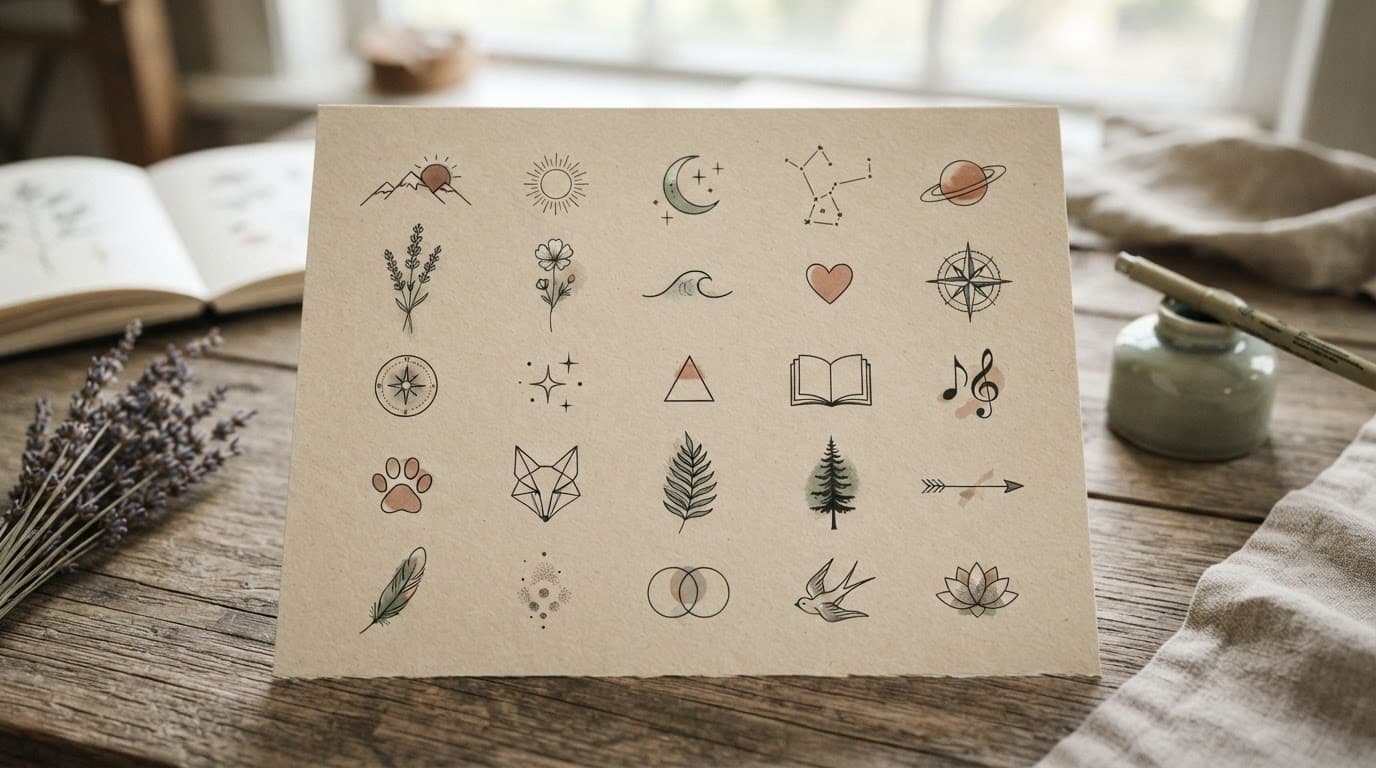
Tiny Nature Tattoos That Feel Calm and Personal
Nature imagery gives a small tattoo an open, breathable quality. Keep the lines simple, because fine details can blur as ink ages. The American Academy of Dermatology’s tattooed-skin guidance also offers helpful care advice for protecting the finished design.
- Single-Line Mountains: A continuous mountain range can suggest resilience, a meaningful journey, or a place that changed you. Add a short horizon line beneath it for a grounded look.
- Tiny Sun: A small outlined sun may evoke warmth, new beginnings, or hope after a difficult period. One dot beside it can create the impression of a rising sun.
- Crescent Moon: A fine crescent can symbolize rest, change, mystery, or a season of personal growth. Place it inside a tiny circle for a contained, polished design.
- Lavender Sprig: Lavender often brings thoughts of peace, healing, and calm. Ask your artist to simplify the buds into a few clean marks so the sprig remains readable.
- Petite Wildflower: A tiny flower can honor growth, individuality, or a person who helped you bloom. Changing the flower type makes the concept more personal, whether you choose a daisy, poppy, or forget-me-not.
- Small Wave: One curved wave can express freedom, movement, emotional balance, or a love of the ocean. A single dot above the line can add a sun, bubble, or personal detail.
Simple Symbols for Love, Strength, and Identity
A familiar symbol becomes more personal when you connect it to a specific promise or memory. Before choosing a popular image, ask what it means in your life and whether that meaning will still feel true later.
- Heart Outline: A single unfilled heart can represent romantic love, self-love, family, or friendship. Add an initial inside only if it remains large enough to stay clear.
- Infinity Loop: A clean infinity symbol can suggest lasting commitment, continuity, or an enduring bond. One small break in the line can make it feel more handmade.
- Lock and Key: A tiny lock beside a key may reflect trust, privacy, commitment, or a relationship that opened a new chapter. Use only one of the pair for a more discreet tattoo.
- Minimalist Compass: Four short points can express direction, independence, or a return to your values. Replace the center dot with an initial or meaningful symbol.
- Lightning Bolt: A small bolt can suggest energy, courage, creativity, or a sudden turning point. A single accent color can add personality, but keep the shape uncluttered.
- Semicolon: The semicolon has a recognized connection to mental health, survival, and continuing a story. Choose it respectfully, especially if someone else introduced you to its meaning, and let its significance come from your own experience.
Personal symbols carry more weight when they connect to your life rather than simply matching a trend.
Delicate Celestial and Geometric Designs
Celestial and geometric tattoos depend on restraint. Even spacing, balanced symmetry, and open skin around the design create the subtle effect. Avoid packing too many points or lines into a small area, since details may soften and blur over time.
- Three Tiny Stars: Three separated stars can suggest guidance, cherished people, or milestones. Vary their sizes slightly for a natural arrangement, or keep them equal for a cleaner finish.
- Fine-Line Planet: A small ringed planet can reflect curiosity, imagination, or feeling at home in your own orbit. Remove the rings for an even simpler circular design.
- Simple Constellation: Connect a few dots based on your zodiac sign, birth month, or a custom arrangement. Constellations have no fixed meaning, so your chosen pattern can stay entirely personal.
- Small Circle: A plain circle may suggest wholeness, balance, cycles, or a meaningful boundary. Leave it open on one side if you prefer a lighter, less formal shape.
- Open-Side Triangle: A triangle with one missing side can symbolize change, choice, or an unfinished chapter. Adjust the opening toward the placement’s natural curve.
- Crescent With Star: A single-line crescent paired with one star creates a gentle night-sky image. Place the star inside the curve or just outside it for two distinct moods.
Personal Minimalist Tattoos Made From Words and Memories
Words and memory-based tattoos often feel the most intimate because they point to a real person, place, pet, song, or turning point. Keep lettering slightly larger than your first sketch, and choose a simple font that remains readable.
- One-Word Reminder: Choose a word such as “breathe,” “home,” or another phrase with personal meaning. A lowercase typeface usually gives the tattoo a softer appearance.
- Handwritten Initial: Use your own handwriting or copy an initial from someone you love. Preserve its original quirks, but ask the artist to thicken fragile strokes when needed.
- Tiny Date: A meaningful date can honor a birth, anniversary, recovery, or new beginning. Verify every number before the appointment, then choose standard numerals or Roman numerals.
- Short Coordinates: Coordinates can point to a hometown, meeting place, or location tied to a major life event. Check them carefully with a reliable map before committing to ink.
- Miniature Book or Music Note: A tiny book can honor learning, a favorite story, or a writer who shaped you. A single music note can recall a song, instrument, or shared memory.
- Paw Print Outline: An unfilled paw print can celebrate a current or past pet without requiring a large portrait. Adjust the toe shapes to resemble your animal’s actual paw.
- Paired Symbols: Two people can choose related symbols, such as a sun and moon or two matching halves of one image. Design each tattoo to feel complete on its own rather than copying an identical mark.
For text, dates, coordinates, and matching tattoos, pause before finalizing the stencil. Read every character, confirm every number, and ask whether the design would still feel meaningful if your circumstances changed.
How to Choose a Minimalist Tattoo That Still Feels Like You
Choosing from 25 minimalist tattoo ideas shouldn’t feel like a popularity contest. Start with the memory, value, or feeling you want to carry, then find an image that still connects to it years from now. A tiny moon might be beautiful, but a moon tied to a specific night, person, or change in your life will feel far more personal.
A true personal design has a story behind it. A copied trend usually begins with a saved image and ends with the same mark appearing on many other people. Use online references for direction, but ask your artist to redraw the concept so it fits your body, proportions, and meaning.
What to Ask Your Tattoo Artist Before Booking
An artist’s portfolio matters more than the cheapest appointment. Minimalist tattoos leave little room for uneven lines or poor spacing, so look for healed fine-line work, not only fresh tattoos photographed immediately after the session. Healed examples show how the ink settles, whether details remain clear, and how the artist handles natural changes in the skin.
As you review a portfolio, look for:
- Consistent line weight without shaky edges or sudden thick spots.
- Clean negative space around small shapes and between delicate details.
- Designs similar in size to the tattoo you want.
- Fine-line work photographed after healing, under normal lighting.
- Simple designs that still look balanced rather than unfinished.
Before booking, ask the artist about their experience with fine-line tattoos and whether your chosen placement suits the design. A professional may recommend thicker lines, wider spacing, or a slightly larger size if your first idea contains details that could blur together.
Discuss these practical points during the consultation:
- Ask whether the design will use black ink or muted color, and how each option may appear against your skin tone.
- Request an estimated cost and session length before you confirm the appointment.
- Find out how the studio handles touch-ups, including whether they charge a fee after the tattoo heals.
- Ask about the expected healing timeline and any placement-specific restrictions.
- Confirm that the final stencil will be custom-sized for your body, rather than copied directly from a phone screen.
Size changes everything in minimalist tattooing. A design that looks delicate on a screen may become cramped when reduced to two inches. Your artist may remove a tiny dot, widen a gap, or simplify a leaf so the finished tattoo remains readable.

You can test your choice before committing. Save three to five references, write down the exact meaning behind your favorite, and print it at the size you are considering. Place the paper on your body or try a temporary tattoo for several days. Notice how it looks with your usual clothing, during work, and when your wrist, rib, ankle, or finger moves.
Minimalist tattoos offer clear benefits, but they also require realistic expectations.
| Advantages | Limitations |
|---|---|
| Short designs often allow quick appointments. | Very fine lines may fade or soften over time. |
| A discreet placement can stay private at work. | Tiny details can blur when packed too closely. |
| Simple imagery suits many personal styles. | Small tattoos leave less room for text or complex scenes. |
| Touch-ups are often easier than major cover-ups. | Sun exposure and friction can affect delicate ink. |
Finally, inspect the studio before you pay a deposit. Check that the artist uses fresh, single-use needles and gloves, cleans surfaces properly, and follows local health rules. Licensing varies by state and city, so review your local requirements. For example, NYC tattoo license requirements include infection-control training, while Texas outlines sanitation practices such as handwashing and single-use gloves in its tattoo studio licensing requirements. A clean studio and a careful consultation are part of choosing the right tattoo, not separate from it.
The Best Placement Ideas for a Discreet Tattoo
The right placement can make a minimalist tattoo feel private, polished, and easy to live with. Before choosing a body area, consider how often you want to see the design, who may see it, how much the skin moves, and whether clothing or sunlight will affect it.
A discreet tattoo should fit your daily life as naturally as it fits your personal style. Your work dress code, family setting, comfort with visibility, and willingness to schedule a future touch-up all matter.
How Size and Body Movement Change the Final Design
A tattoo that looks crisp on a phone screen can become crowded when transferred to skin. Screens show artwork on a flat, glowing surface, while your body has curves, texture, creases, and movement. A tiny star, letter, dot, or leaf may need more space than you expect to remain readable.
Curved areas such as the ankle, shoulder, collarbone, and rib area can slightly change the shape of a stencil as your body moves. Joints create another challenge. Skin around the wrist, fingers, knees, and ankles bends repeatedly, while natural creases can interrupt a straight line. Fine lines may also soften with time, especially when details sit too close together.
Leave breathing room around every element. Letters need space between strokes, stars need separation from nearby dots, and delicate stems need enough open skin around the leaves. When details touch, softened ink can make separate shapes look like one dark spot.
A discreet tattoo usually looks more refined when the design has fewer details and more open skin around it.
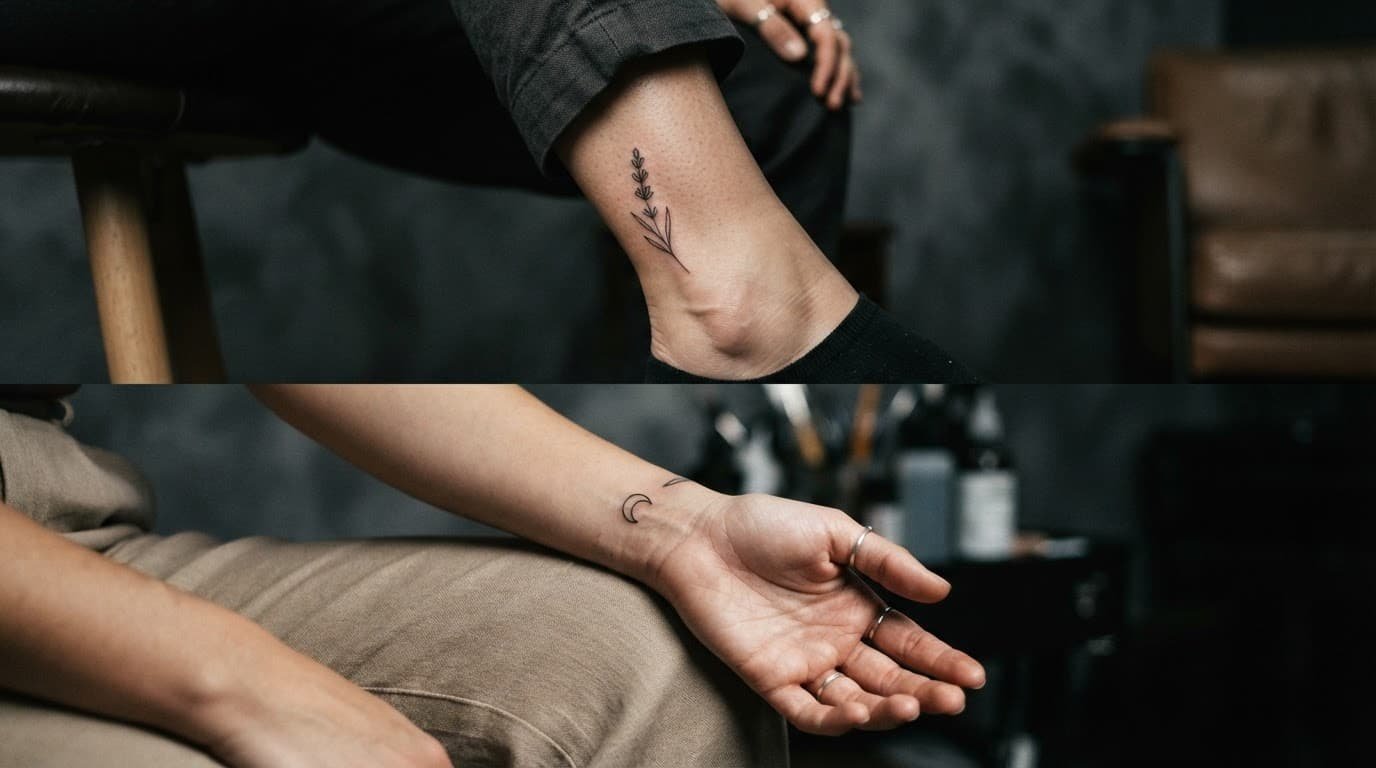
Placement also affects visibility, pain, sun exposure, and how well a tiny tattoo holds:
- The inner wrist is easy for you to view and often easy to cover with a watch or sleeve. It has moderate movement and can feel tender because the skin is thin.
- The forearm offers a flatter surface, steady visibility, and enough room for a small word, sprig, or symbol. It usually gives tiny designs a better chance of staying clear than a joint.
- The upper arm and shoulder are easy to hide under short sleeves and tend to have stable skin. The shoulder’s curve may require careful stencil positioning, while the upper arm often provides more flexibility for size.
- The ankle feels personal and remains simple to cover, but socks, shoes, and movement create friction. Designs here may need touch-ups sooner.
- The rib area offers strong privacy and a smooth canvas for small designs, although many people find tattooing there more painful because the skin sits close to bone.
- Behind the ear creates an understated placement that disappears beneath hair. Limited space favors a simple symbol, and frequent sun exposure can affect delicate ink.
- The collarbone looks elegant and remains visible with open-neck clothing. Its thin skin, bone structure, and changing angles can make the area more sensitive.
- Fingers and hands are highly visible but experience washing, friction, sunlight, and constant movement. Tiny tattoos there often fade faster and may require maintenance.
- The upper back gives you privacy, low daily friction, and enough room for a small design with comfortable spacing. You won’t see it easily, but its stable surface often supports clean results.
No placement is pain-free, and each person experiences tattooing differently. A fleshy upper arm may feel manageable to one person, while another finds the ankle or forearm more comfortable. Ask your artist about your skin, the exact location, and the design’s line weight rather than relying on someone else’s pain ranking.
Before the needle touches your skin, request a stencil and inspect it while standing, sitting, and moving your arm or leg. View it from several angles, then compare its size with nearby features such as your wrist bone, ankle bone, shoulder curve, or collarbone. That short test can reveal whether the tattoo feels balanced, cramped, too visible, or perfectly placed.
What to Know Before and After Getting a Fine-Line Tattoo
A fine-line tattoo can look airy and precise, but its small scale leaves little room for careless preparation or healing mistakes. Before your appointment, make choices that support your comfort and safety. Afterward, protect the skin patiently while the tattoo settles into its lasting appearance.
Fine-Line Tattoo Risks and How to Protect the Result
Minimalist tattoos can change with time. Sun exposure may fade delicate ink, while friction from shoes, waistbands, watches, or frequent handwashing can wear down lines faster. Skin movement, natural aging, weight changes, and placement also affect how a tattoo looks. Tiny details may soften, blur, or disappear, especially when several marks sit close together.
These changes don’t mean the tattoo was poorly done. Fine-line work simply needs realistic expectations. A reputable studio lowers avoidable risks by using sterile equipment, fresh needles, clean surfaces, and proper protective barriers. Before booking, review the studio’s hygiene practices and choose an artist with healed fine-line examples in their portfolio.
Your preparation matters, too. Eat a normal meal before the appointment and drink enough water. Wear clothing that gives the artist easy access to the area without creating pressure or rubbing afterward. Bring identification if the studio requires it, and avoid alcohol or anything else that could affect safe decision-making.
Tell the artist about relevant skin conditions, allergies, medications, and health concerns before the session. If you take blood-thinning medication, have a condition that affects healing, or aren’t sure whether tattooing is safe for you, speak with a medical professional first. Never hide information to avoid rescheduling.
After the appointment, follow the artist’s instructions for keeping the bandage on. Removal times vary by dressing type, so don’t copy another person’s routine. Once you’re allowed to wash the area, clean your hands first, then gently wash the tattoo with lukewarm water and mild, fragrance-free soap. Pat it dry with a clean paper towel or let it air-dry. Apply only a thin layer of the moisturizer recommended by your artist.
During healing, keep the tattoo away from:
- Swimming pools, hot tubs, lakes, and baths.
- Tight clothing that rubs against the design.
- Picking, scratching, or peeling loose skin.
- Direct sunlight and tanning beds.
- Heavy products that leave the area greasy or blocked.
Mild redness, tenderness, slight swelling, itching, and peeling are common during the early healing period. The tattoo may look dull or uneven while the surface flakes, so don’t judge the final result yet. Skin healing happens in stages, and scratching can remove pigment or damage the surface.
Fine-line tattoos often need patience before judgment. Peeling skin can temporarily hide the clarity you saw immediately after the appointment.
Spreading redness, worsening swelling, severe pain, pus, fever, red streaks, or skin that feels increasingly hot can signal an infection. Seek medical care promptly if these symptoms appear. Contact your artist with questions, but don’t apply harsh products or alter the area yourself.
Once the tattoo has fully healed, apply broad-spectrum sunscreen to exposed skin. UV protection helps slow fading, and the American Academy of Dermatology’s sunscreen guidance explains why regular protection matters. Touch-ups may still be normal, especially for tiny tattoos or high-friction placements. Wait until the skin is completely healed, then ask the original artist to assess the design before making any changes.
Conclusion
A minimalist tattoo can be small in size while carrying a lasting personal meaning. The right design might be a mountain, flower, moon, star, or geometric symbol. It could also be a word, date, coordinate, paw print, or paired image that connects you to a person, place, memory, or important chapter.
Start with a concept that feels honest rather than choosing an image only because it is popular. Then test the placement, consider how size and movement may affect the design, and work with an experienced artist who understands fine-line tattoos. Their guidance can help preserve clean spacing, readable details, and a balanced shape on your skin.
Careful aftercare matters just as much. Protect the tattoo while it heals, avoid unnecessary friction and sun exposure, and follow your artist’s instructions before judging the final result. A subtle tattoo does not need to be complicated to hold deep meaning. Sometimes one small mark is enough to carry a story for years.
Save the pin for later

- 25 Minimalist Tattoo Ideas for a Subtle, Personal Look - September 1, 2026
- 30 Tiny Tattoo Ideas for First-Timers - September 1, 2026
- 15 Strong Meaning Tattoos for Women That Tell Your Story - August 31, 2026
Leave a Reply